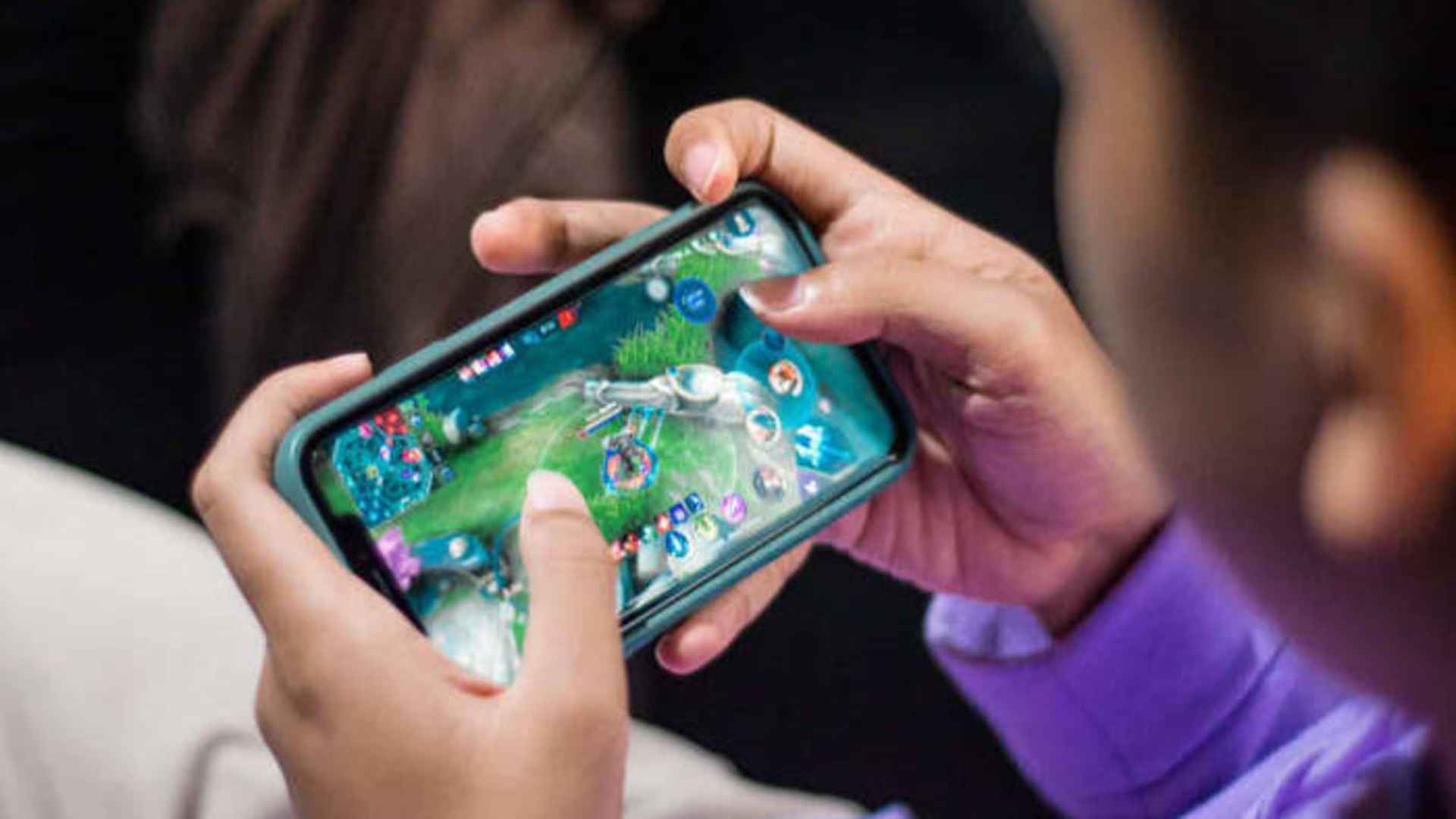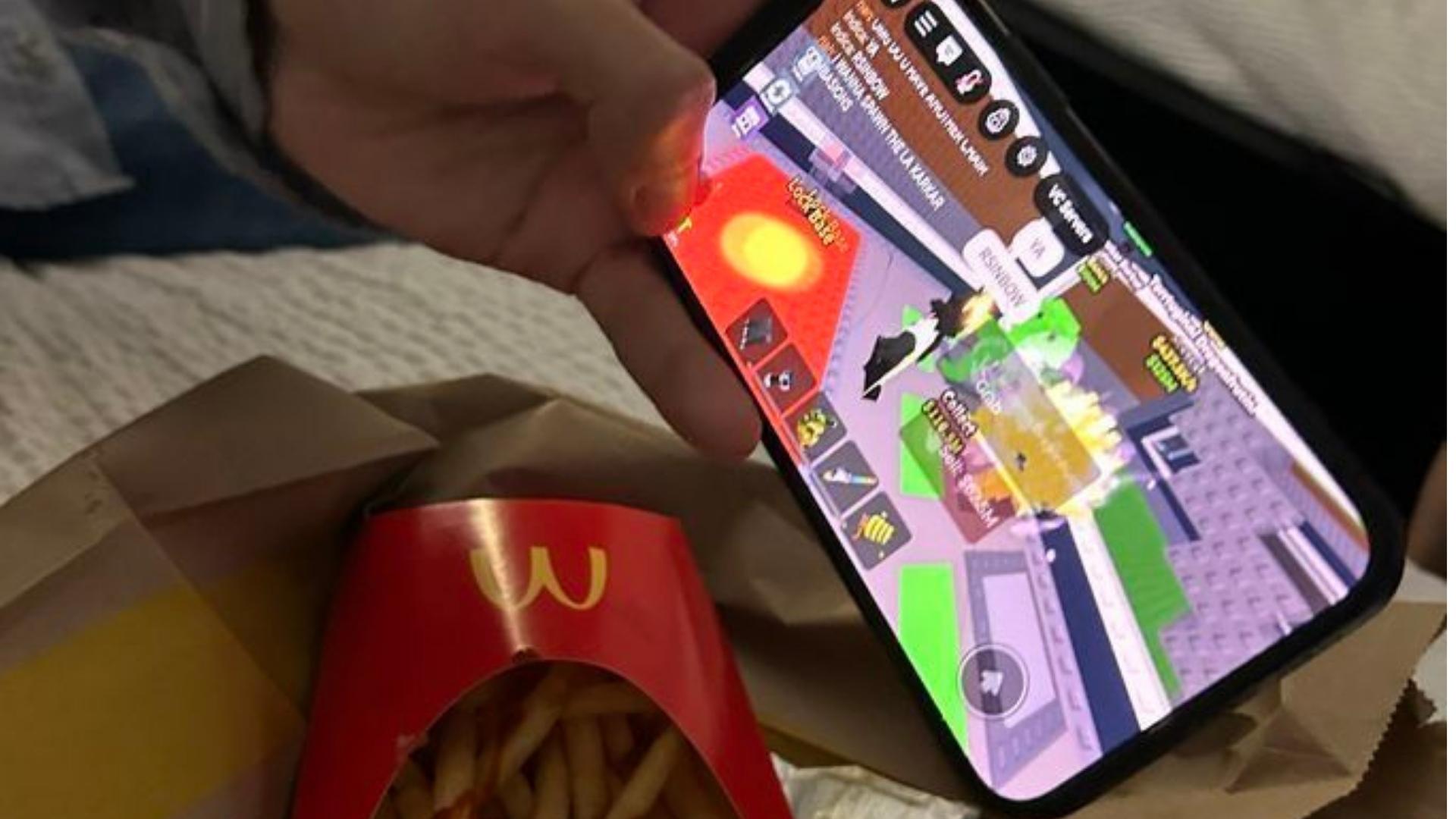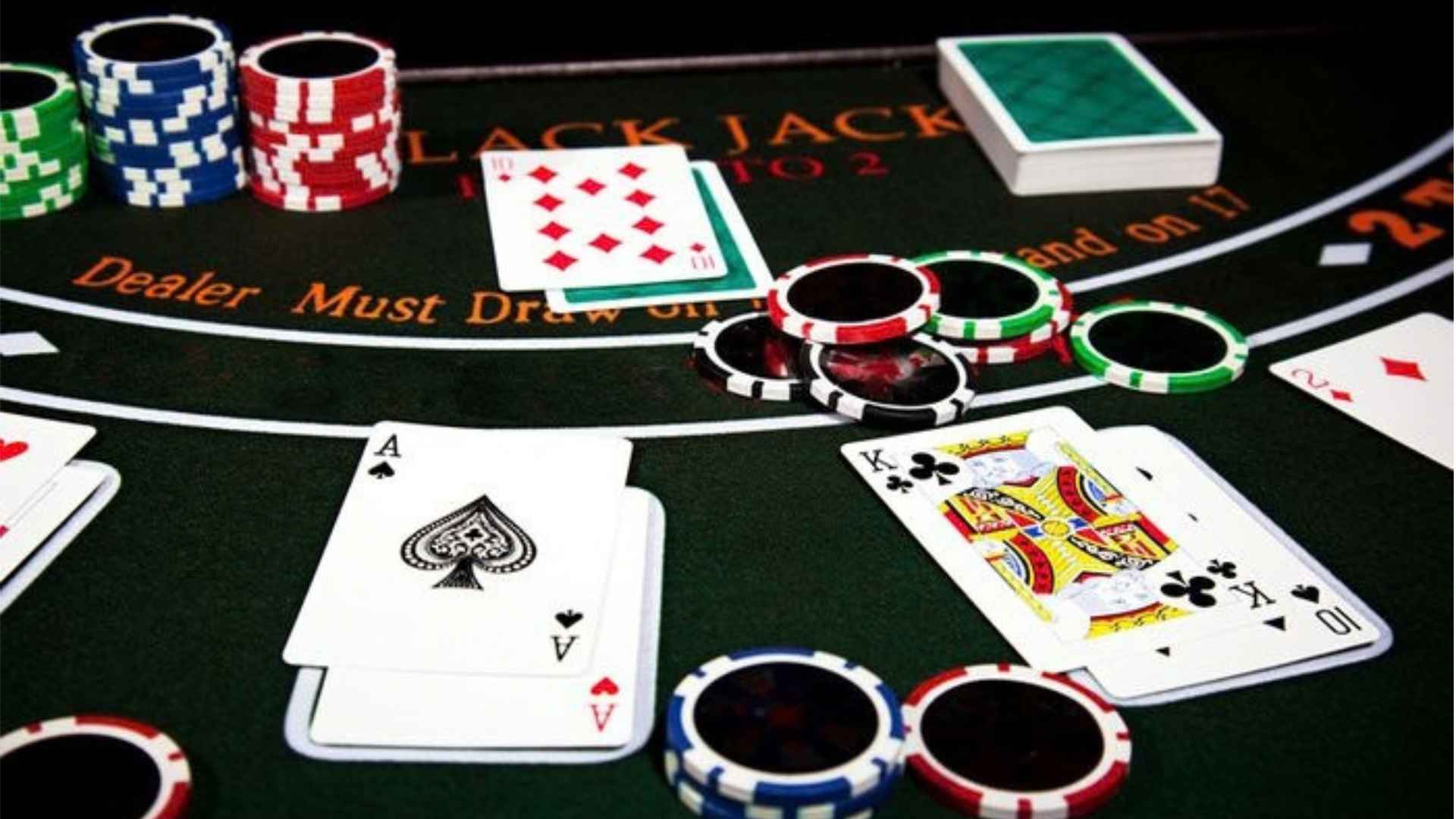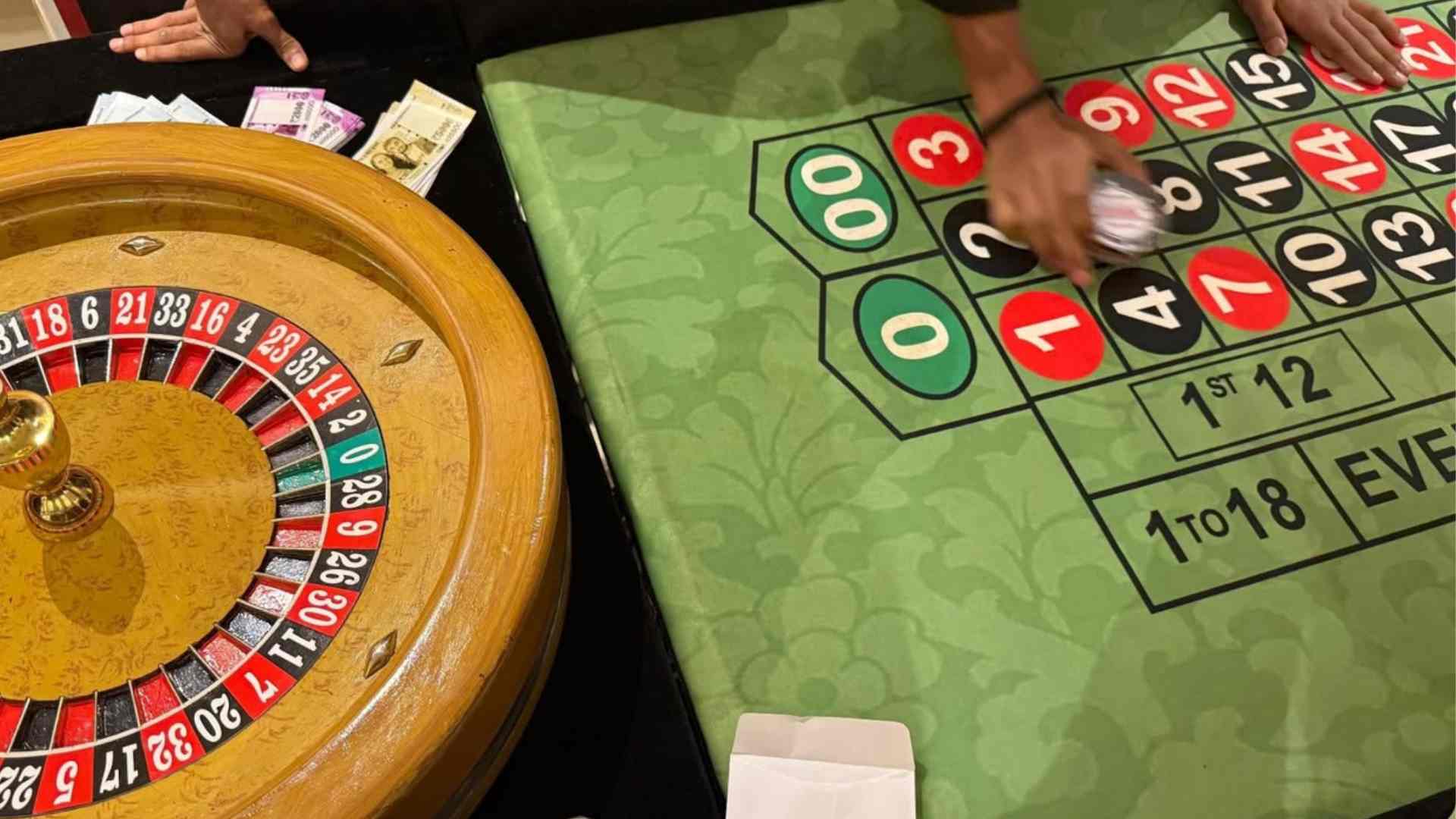
Screen size plays a crucial role in shaping how players interact with modern mobile card games. From compact smartphones to expansive tablet displays, the physical dimensions of a screen directly influence user interface layout, touch precision, and overall graphical rendering. Understanding these differences helps gamers optimize their setups for smoother and more competitive gameplay sessions.
Visual Clarity and Interface Scaling
Larger screens provide developers with significantly more real estate to display intricate card details, text, and playfield animations clearly. On smaller displays, UI elements often need to be condensed or hidden within sub-menus, which can slow down tactical decision-making during fast-paced matches.
When playing on a tablet or larger smartphone, card text remains legible without requiring extra taps to zoom in. This increased visibility reduces cognitive fatigue during extended gaming sessions and allows players to assess complex board states at a single glance.
Touch Precision and Input Accuracy
Touch accuracy is heavily dependent on the physical size of interactive elements on the screen. Compact screens can lead to accidental inputs, such as playing the wrong card or targeting an incorrect target during intense moments.
Slightly larger display areas reduce misclicks by expanding the target zones for dragging and tapping mechanics. Players who download files such as an m88 game apk often find that installing applications on devices with optimized screen ratios improves control responsiveness and overall execution speed.
Hardware Resource Allocation and Performance
Higher resolution screens require more processing power and memory to render high-definition graphics smoothly. While larger displays offer superior visual fidelity, they can also place a heavier burden on a device's GPU and battery life.
Conversely, smaller screens with lower resolutions often yield higher frame rates and more consistent performance on mid-range hardware. Balancing screen size with device hardware specifications ensures high responsiveness without severe thermal throttling.
Choosing the Ideal Display for Card Gaming
Selecting the right screen size ultimately depends on a player's preference for portability versus visual depth. Casual gamers may prioritize the convenience of small, pocket-sized devices, while competitive players often prefer larger screens for superior layout clarity.
Evaluating both ergonomic comfort and hardware capability will ensure an enjoyable mobile gaming experience regardless of your chosen genre or platform.