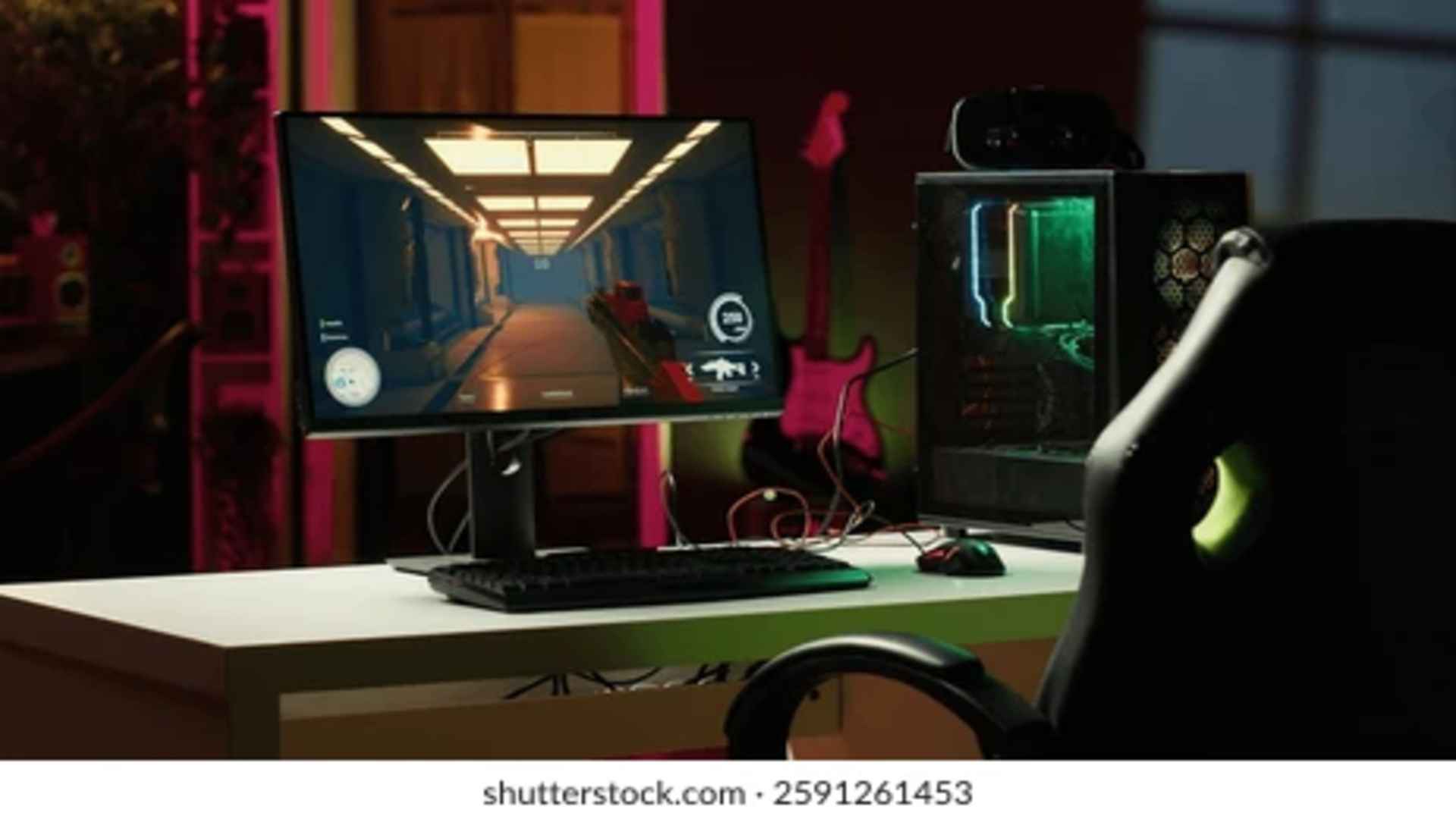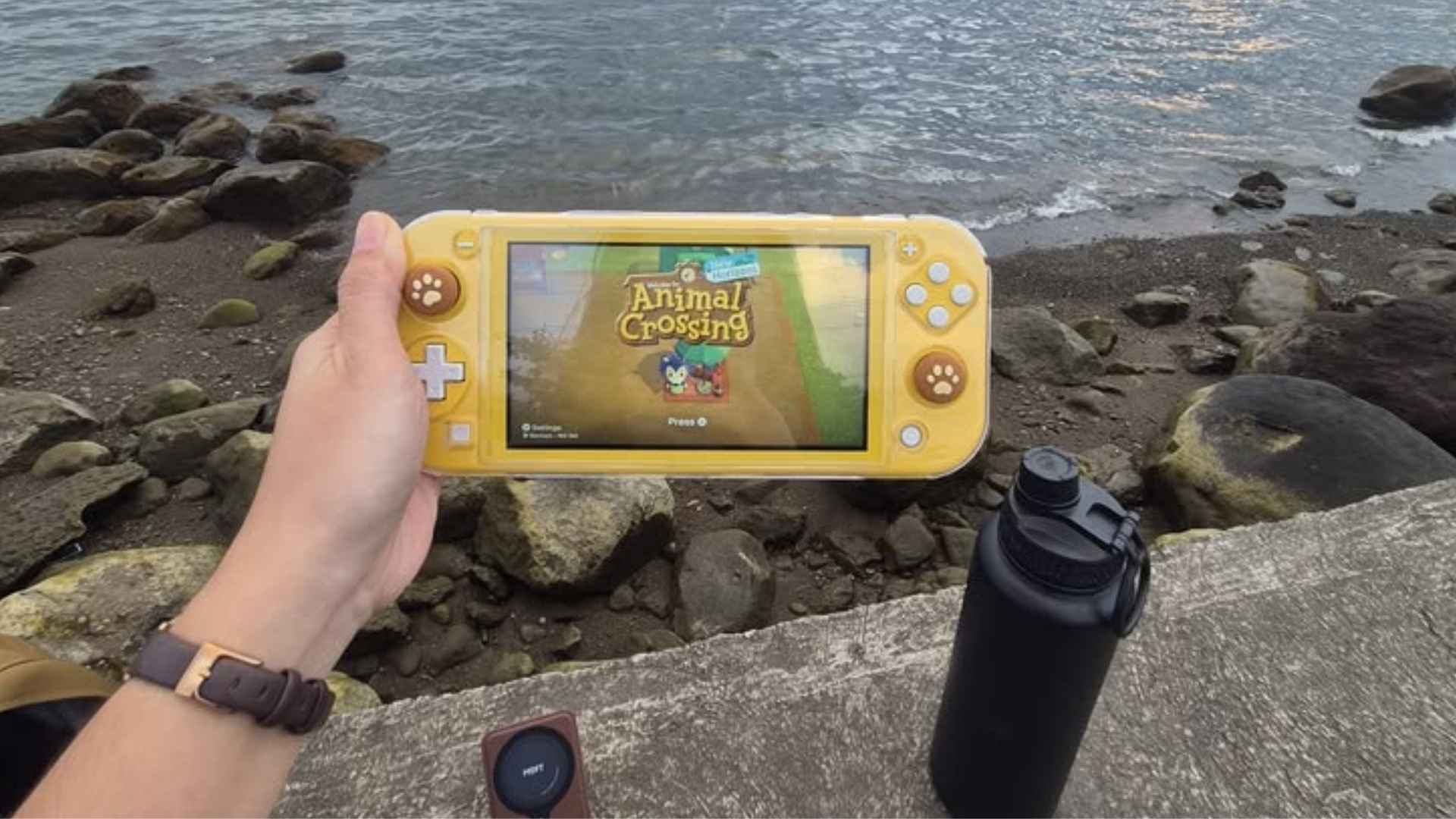
The global gaming industry is witnessing a significant shift in player preferences as linear progression paths give way to open-ended exploration. Modern audiences increasingly favor experiences that do not hand out immediate answers but instead offer the thrill of unexpected findings. This rising fascination with hidden mechanics and unscripted environments has pushed randomized exploration to the absolute forefront of contemporary game design.
The Multi Layered Psychological Pull of Exploration
Human curiosity thrives when individuals face a balanced mixture of predictability and sudden surprises. When a game allows players to uncover items or locations through direct exploration, it triggers a powerful sense of personal achievement. This feeling of genuine discovery significantly heightens player immersion compared to scripted events or predictable rewards.
Furthermore, the subtle tension built into random systems encourages players to think creatively while interacting with virtual landscapes. Instead of following a strict guide, users enjoy testing alternative mechanics to see what outcomes might unfold. This specific freedom turns basic entertainment loops into highly personalized journeys that keep players fully engaged over multiple sessions.
How Adaptive Technology Powers Unexpected Outcomes
Advanced algorithmic processing enables modern developers to craft highly dynamic ecosystems that change with every interaction. Procedural generation tools can now build massive layout configurations that ensure no two playthroughs feel identical. This specific type of flexible digital engineering creates an authentic feeling of a living world operating beyond the player's direct control.
Many distinct sectors within the digital entertainment space are successfully adapting these complex random structures. For example, individuals who complete their m88 slot login often encounter interactive design frameworks built entirely around surprise mechanics and varying reward combinations. By utilizing high-definition visual effects alongside smooth animations, these platforms transform random progression metrics into exceptionally memorable experiences.
Shifting Design Priorities in Contemporary Media
Game creators are actively moving away from excessive hand-holding features like permanent mini-maps or constant quest markers. By reducing explicit visual guidance, software designers force the audience to pay closer attention to subtle environmental clues. This design philosophy fosters a deeper connection with the virtual surroundings, making every successful discovery feel truly earned.
In addition to spatial exploration, modern reward distribution systems have experienced a necessary and creative evolution. Incorporating multi-tiered prize structures and hidden modifiers keeps the baseline gameplay loops from becoming repetitive or predictable. This strategic variety ensures that casual players remain deeply motivated to explore every corner of a newly introduced digital system.
Predicting the Next Phase of Discovery Mechanics
As virtual and augmented reality frameworks continue to mature, the potential for tactile exploration will likely reach unprecedented heights. Future platforms may allow users to physically uncover hidden digital layers embedded directly within their immediate physical environments. This upcoming progression will fundamentally redefine long-term user loyalty by merging passive navigation into fully immersive exploration.
Ultimately, the timeless appeal of unscripted discovery guarantees its permanent integration into the foundation of future interactive entertainment design. Providing a perfect release from rigid linear tasks, these games deliver high-quality visual and emotional satisfaction. By prioritizing smart environmental design and balanced chance distributions, modern creators ensure that the excitement of uncovering the unknown remains completely timeless.