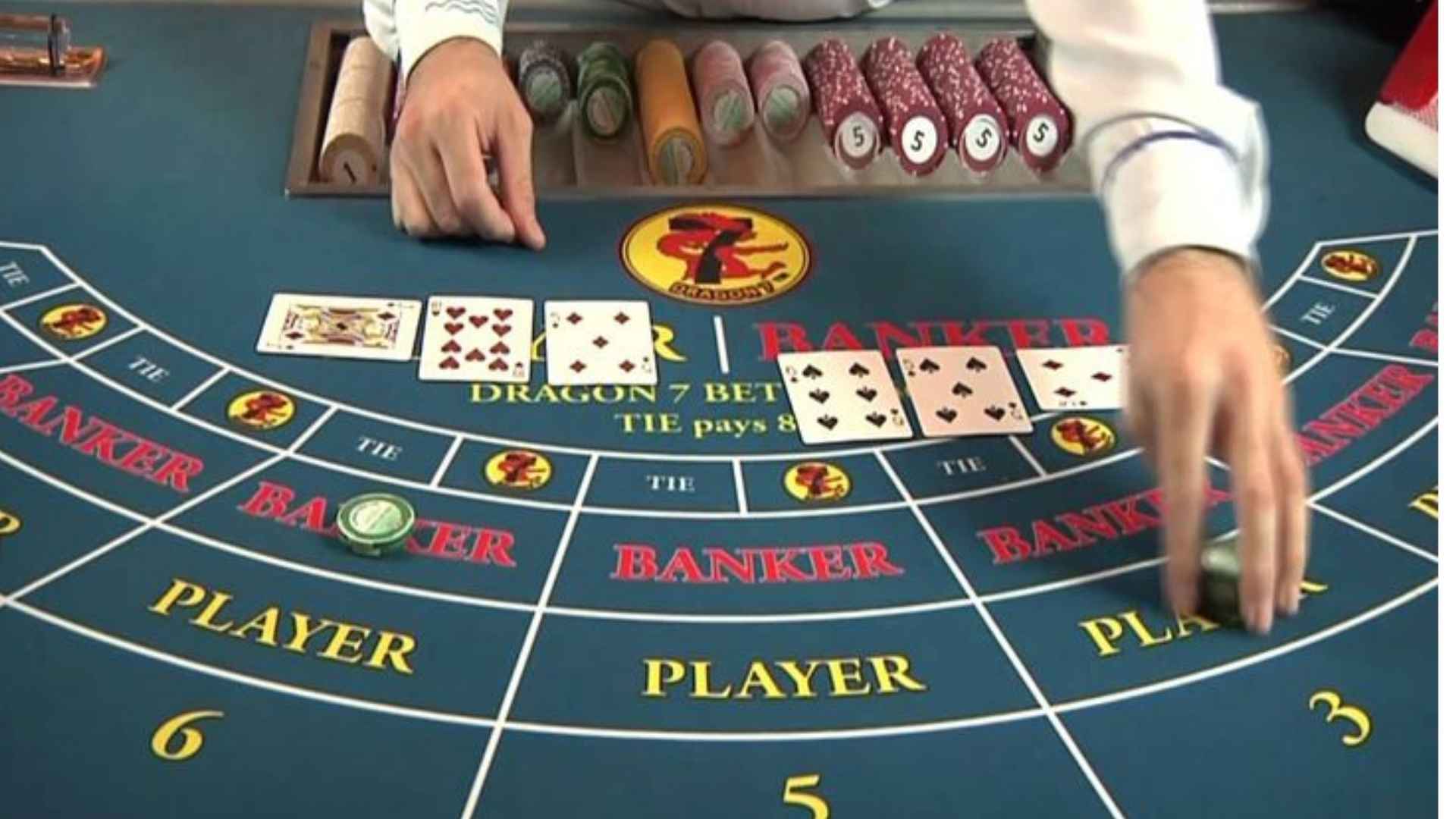
Entering a competitive rummy tournament requires a blend of sharp memory, strategic calculation, and emotional discipline. Unlike casual games played around a kitchen table, structured tournaments present unique challenges that test even the most experienced players. Mastering the transition to high-stakes tournament play is essential for anyone aiming to claim a podium finish.
Mastering the Art of Card Tracking
A fundamental key to succeeding in any major card game competition is maintaining precise awareness of the discard pile. Successful competitors closely watch which cards their opponents draw and discard to reconstruct their potential hands. This constant monitoring allows you to make informed decisions about which cards are safe to release and which must be hoarded.
Furthermore, keeping track of the remaining deck composition helps you estimate the probability of completing your own sequences. Making decisions based on statistical likelihood rather than pure guesswork dramatically improves your winning ratio over time. Practicing this level of focus prepares you for the fast-paced nature of elite matches.
Strategic Hand Management and Dropping
Knowing when to exit a hand early is just as crucial as knowing how to play a winning combination. In multi-round tournament formats, point minimization is often the defining factor between elimination and survival. Utilizing a structured drop option when dealt a chaotic hand protects your overall point standing from devastating losses.
Many novice players mistakenly believe that they must play every hand to show their competitive spirit. However, veteran players understand that conceding a minor penalty by dropping is a calculated business decision. If you want to study successful game patterns and test your strategic decision-making, exploring platforms like the M88 toto portal can provide excellent insights into elite competitive structures.
Adapting to Varying Tournament Formats
Tournament structures can vary widely, ranging from classic elimination rounds to complex point-accumulation systems. Each layout demands a distinct psychological approach and a specific pace of play to maintain a competitive advantage. For instance, fast-paced matches require rapid calculations, whereas longer sessions demand exceptional mental stamina.
You must adjust your risk tolerance based on your current ranking and the specific rules of the event. Playing conservatively might secure your position in early rounds, but aggressive plays are often required to climb the leaderboard near the finals. Flexibility in your tactical approach keeps your opponents guessing and prevents them from reading your style.
Developing Psychological Resilience
The intense pressure of a ticking tournament timer can easily lead to hasty mistakes and emotional decision-making. Developing a calm, methodical pre-move routine is highly effective for keeping anxiety at bay during critical table moments. Consistent practice under simulated tournament conditions helps build the mental fortitude needed to handle unexpected losses.
Ultimately, a true champion views every setback not as a failure, but as a valuable learning opportunity. Analyzing your post-match performance and pinpointing weak tactical choices will continuously elevate your tournament skills. With a balanced combination of card discipline and emotional control, consistent competitive success is well within your reach.